Loading...
Serving Waipahu, HI and surrounding areas. (808) 444-0629
Waipahu Insulation is an insulation contractor serving Halawa, HI, with wall insulation, spray foam, and attic insulation built for the concrete block and wood-frame homes that make up this tight-knit community near Pearl Harbor and Aloha Stadium. Halawa's post-war housing stock - much of it built in the 1950s through 1970s - was not designed with today's energy costs in mind, and many of these homes have never had a serious look at what is inside the walls. We have served central Oahu homeowners since 2017 and respond to new inquiries within 1 business day.
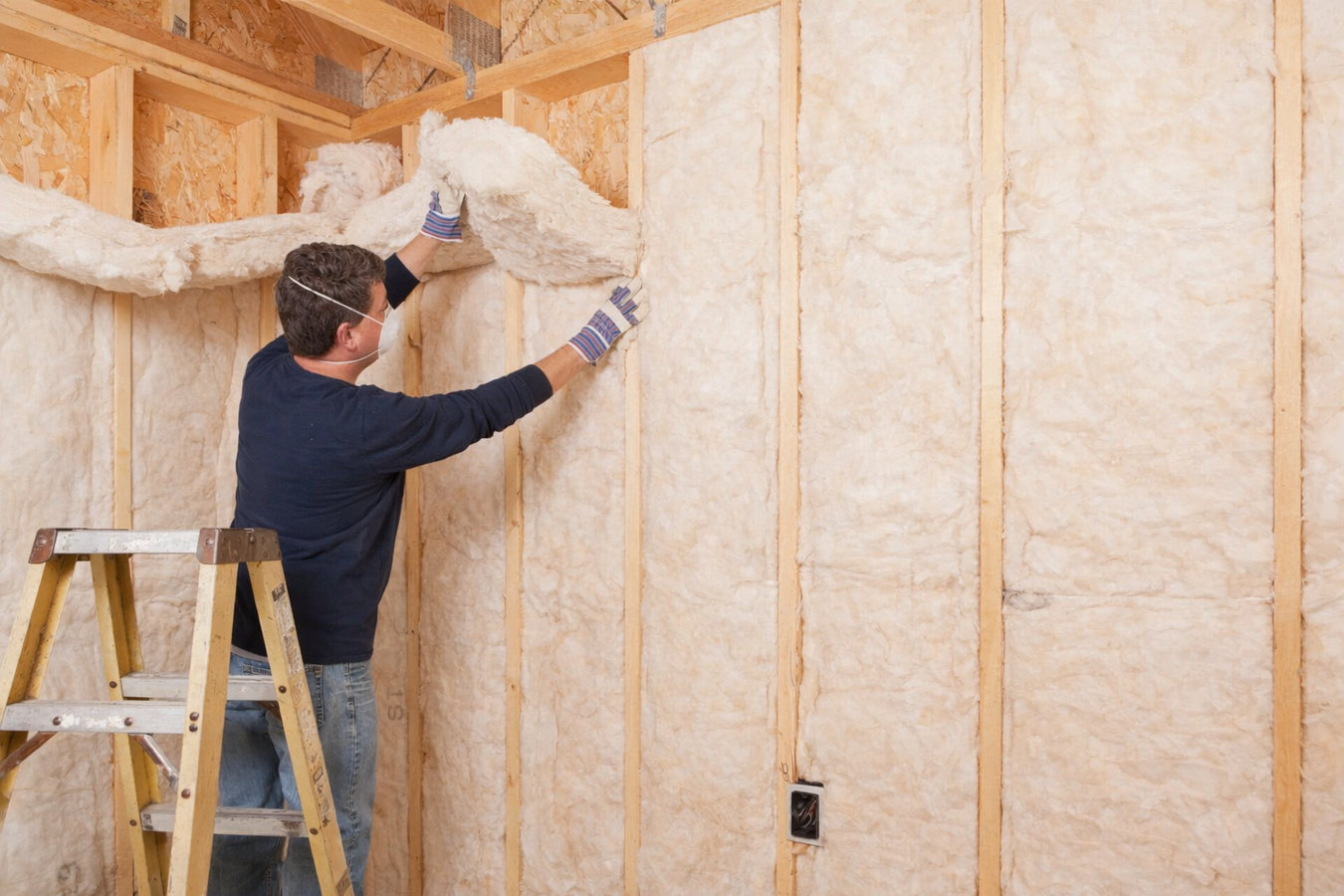
Halawa's housing stock is dominated by homes built in the 1950s through 1970s - most with concrete block or wood-frame walls that were constructed before insulation was a standard part of the plan in Hawaii. Rooms that face the afternoon sun stay uncomfortably warm because there is nothing between the wall surface and your living space to slow the heat. Our wall insulation work addresses that directly - adding an effective thermal barrier to finished walls without requiring a full renovation.
Concrete block homes in Halawa develop gaps at mortar joints, around utility penetrations, and at the interface between the slab and wall framing over decades of heat cycling. Closed-cell spray foam is one of the few materials that bonds directly to CMU block, fills those irregular gaps completely, and provides both insulation and a moisture barrier in a single application - which matters in a neighborhood this close to Pearl Harbor where humidity is a constant presence.
Many Halawa homes from the mid-century era were built with flat or low-slope roofs - a common design in Hawaii that works well in the climate but demands proper attic or roof-deck insulation to prevent heat from building up directly above the living space. Homes that have gone 50 to 70 years without an insulation upgrade are often running with nothing meaningful between the roof and the ceiling, and the AC bills reflect it.
For Halawa homes where the walls are already finished and access through the attic is limited, blown-in insulation is the practical approach - requiring only small holes in the wall or ceiling surface rather than a full demolition. Older homes in this area often have framing configurations that make batt insulation difficult to fit cleanly, and blown-in material fills those irregular spaces without leaving gaps that let heat through.
Halawa homes built in the 1950s and 1960s accumulated gaps around every penetration - plumbing, electrical, and HVAC rough-ins - that have only widened over decades. Air sealing those pathways before adding insulation is the step most contractors skip, and it is the most common reason homeowners do not see the energy savings they expected after an insulation job. We seal first, then insulate, so the two systems work together instead of against each other.
Older insulation in Halawa attics and walls can hold moisture, harbor mold from decades of Hawaii humidity, and reduce the performance of anything installed on top of it. Homes that were insulated decades ago with materials that were standard at the time may have material that is now doing more harm than good. Removing degraded or moisture-damaged insulation before installing a fresh layer ensures the new work performs correctly in this climate.
Halawa is a small, established community in central Oahu where most of the housing was built between the 1950s and 1970s to house the working families and military personnel who settled near Pearl Harbor after the war. Concrete masonry unit block construction was the standard choice for residential building in Hawaii during that era because it holds up better against the island's humidity, termites, and occasional high winds than wood framing. It was a good decision for durability - but CMU block by itself is a poor thermal performer. A concrete block wall with no insulation allows heat to move through it freely, and in Hawaii's year-round warm, humid climate that means every exterior wall in an uninsulated home is working against the air conditioner around the clock. Homes of this age also commonly have flat or low-slope roofs - practical for the climate and easy to build, but requiring consistent maintenance and insulation attention to prevent water pooling and heat buildup above the living space.
Halawa's proximity to Pearl Harbor and Joint Base Pearl Harbor-Hickam means the community also contends with a mix of humidity and salt air that accelerates wear on every exterior surface and building assembly. UV exposure in Hawaii is intense year-round - the island sits close to the equator, and the UV index here regularly reaches the extreme range, which breaks down exterior caulk and roofing membranes faster than mainland homeowners would expect. For older homes in Halawa, the combination of original construction without meaningful insulation and 50 to 70 years of Hawaii's climate working on every gap and seal means the thermal envelope is often far thinner than the homeowner realizes - and the electricity bill reflects it every month.
Our crew works throughout Halawa regularly, and we understand the local conditions that affect insulation work here. We pull permits through the City and County of Honolulu Department of Planning and Permitting for jobs that require them. Halawa is a census-designated place within Honolulu County, and all permits and inspections run through that same office we use for work in Waipahu, Aiea, and the neighboring communities we cover regularly.
We know what to expect when we work in Halawa. A large share of the homes here are single-story CMU block houses on modest lots - many of them built when the neighborhood was growing rapidly in the 1950s and 1960s to house families near the base and the local employment centers along Kamehameha Highway. Working on CMU construction requires different techniques than wood-frame houses - you cannot simply drill through a stud bay the same way, and bonding materials to block demands products that actually adhere to masonry. We have done this work often enough in central Oahu to come prepared. Many of these homes are within a short distance of Aloha Stadium, one of the most recognizable landmarks on this side of the island, and the streets around the stadium area represent a cross-section of the kinds of mid-century homes we work on most in this community.
We also serve Aiea to the west, where the housing stock and post-war construction history are very similar to Halawa, and Waimalu just north - both communities we cover regularly on the same routes that bring us into this part of central Oahu.
Reach us by phone or through the contact form. We respond to every new inquiry within 1 business day. We will ask a few questions about your home - age, construction type, and what you have been noticing - so we can arrive at the assessment prepared rather than starting from scratch on your driveway.
We visit your home, inspect the existing insulation, check for moisture and air leaks, and give you a written estimate before any work begins. For older Halawa homes, this step often uncovers conditions - moisture in wall cavities, degraded original insulation - that change what the right approach looks like. We explain what we find in plain terms, with no pressure to proceed.
Our crew arrives with materials and equipment suited to the work confirmed in the estimate. Most attic jobs in Halawa are done in one day. Wall insulation on a single-story home typically takes one to two days including patching. You do not need to leave your home. Move furniture away from exterior walls and we handle the rest, cleaning up before we leave.
When a permit was required, we coordinate the city inspection on your behalf. Before we leave, we walk you through what was installed and where. You receive documentation of the completed work - useful if you sell your home or apply for a utility rebate through Hawaiian Electric. Patched wall surfaces need a day or two to cure before painting.
We serve all of Halawa and respond within 1 business day. Written estimates, no surprises, work done to code.
(808) 444-0629Halawa is a census-designated place in central Oahu, sitting just off the H-1 freeway between Pearl City and Aiea and a short distance from Pearl Harbor and Joint Base Pearl Harbor-Hickam. With a population of roughly 14,000 to 15,000 residents, it is a compact, predominantly residential community where most households own their homes - families who have put down roots close to local employers, the base, and the easy freeway access that makes commuting across the island manageable. The housing stock is mostly single-family detached homes on modest lots, with the bulk of the neighborhood built between the 1950s and 1970s. That construction era is defined by concrete block walls, flat or low-slope roofs, and modest lot sizes - a style specific to Hawaii and different in important ways from wood-frame suburban construction elsewhere in the country. The Halawa community overview on Wikipedia gives a good picture of how the neighborhood developed and where it sits in the geography of central Oahu.
The most prominent landmark in Halawa is Aloha Stadium, a large multi-purpose venue that has hosted NFL Pro Bowls, University of Hawaii football, and major events for decades - a reference point that virtually every Halawa resident and neighboring-community homeowner knows well. The stadium and the surrounding streets represent the character of the neighborhood: established, local, and not particularly interested in being flashy. We cover communities across central Oahu, including Aiea to the west and Waimalu to the north, both communities with similar building stock and insulation needs to Halawa.
Seal gaps and improve energy efficiency with professional spray foam application.
Learn MoreProtect your home foundation with properly installed crawl space insulation.
Learn MoreEliminate drafts and energy loss with comprehensive air sealing treatments.
Learn MoreKeep your basement dry and comfortable with professional insulation installation.
Learn MoreHigh-density closed-cell foam for maximum moisture and air barrier performance.
Learn MoreFlexible open-cell foam insulation ideal for interior walls and ceilings.
Learn MoreLarge-scale insulation solutions tailored for commercial and industrial buildings.
Learn MoreBlock moisture intrusion beneath your home with a durable vapor barrier.
Learn MoreProfessional vapor barrier installation to control moisture and protect structures.
Learn MoreAdd insulation to existing structures without major renovation or disruption.
Learn MoreServing all of Halawa and central Oahu - call us or submit a free estimate request and we will get back to you within 1 business day.