Loading...
Serving Waipahu, HI and surrounding areas. (808) 444-0629
Waipahu Insulation serves Kailua, HI with home insulation, attic insulation, and air sealing services built for the windward side of Oahu. Most homes in Kailua were built between the 1950s and 1970s and deal with high humidity, salt air, and significant solar heat gain that standard insulation guides do not account for. We reply to new inquiries within 1 business day.
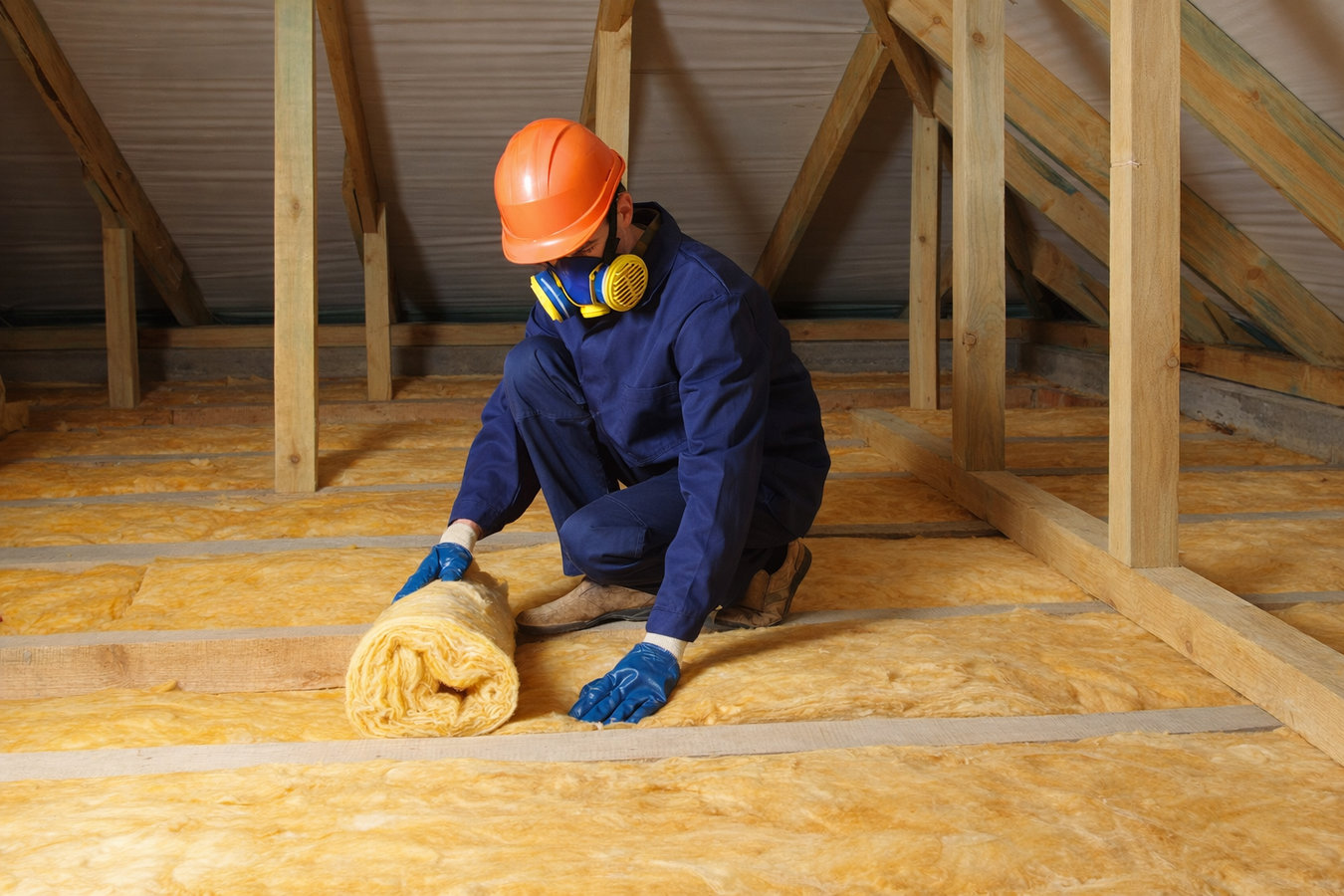
Most homes in Kailua were built in a postwar era when insulation standards were minimal and air conditioning was not yet standard in Hawaii. Decades of windward humidity have further degraded whatever original insulation exists, leaving many of these homes with walls and ceilings that do little to slow heat or block moisture-laden air. Our home insulation services address the full building envelope - not just the attic - to give Kailua homes the thermal and moisture protection they were never built with originally.
Kailua sits on the windward side of the Ko'olau Mountains, where intense solar radiation hits rooftops daily even as clouds gather above them. Without adequate attic insulation, that heat radiates straight down through the ceiling into living spaces all afternoon. Upgrading attic insulation is typically the single highest-impact change a Kailua homeowner can make to reduce cooling costs and improve daytime comfort.
Kailua's annual rainfall of 30 to 50 inches and persistent coastal humidity make closed-cell spray foam a particularly strong fit here - it insulates and acts as a moisture barrier in one application. Concrete block homes common in Kailua need a different sealing approach than wood-frame construction, and spray foam adheres directly to CMU block walls to close the gaps that allow salt-laden air to infiltrate wall cavities over time.
Kailua homes face consistent wind off the Ko'olau Mountains and from the coast, meaning the windward-facing side of any home here is under constant pressure to let outside air in through gaps around framing, wiring, and plumbing penetrations. Those air leaks are a major reason AC systems in older Kailua homes run so hard - sealing them first, before adding insulation, multiplies the effectiveness of any insulation upgrade that follows.
Many older homes in Kailua have attics with irregular framing and shallow depth that make batt insulation a poor fit - blown-in material fills those configurations uniformly without leaving the thin edges and corners that let heat through. In a neighborhood where humidity is present year-round, cellulose or fiberglass blown-in material installed over a properly ventilated attic floor provides a durable thermal barrier suited to windward Oahu conditions.
Kailua's rainfall and ambient humidity mean attic insulation installed 30 or 40 years ago may have absorbed significant moisture over its lifespan, leading to compressed, moldy material that no longer provides meaningful thermal resistance. Removing that compromised layer before installing new insulation is not optional - layering new material over wet, degraded old insulation traps moisture and limits the performance of the new installation from day one.
Kailua sits on the windward side of the Ko'olau Mountains - a geography that produces a fundamentally different moisture environment than leeward communities like Waipahu or Ewa Beach. Annual rainfall in Kailua averages 30 to 50 inches depending on how close a property sits to the mountains, and humidity stays high throughout the year. Most of the residential neighborhoods were built out in the 1950s through 1970s from concrete block and wood-frame construction that was designed for natural ventilation in a pre-air-conditioning era. Those homes were never built to be tight, and decades of windward moisture have worked steadily on whatever insulation was originally installed. A contractor who applies mainland insulation practices without accounting for windward Oahu's rainfall and humidity patterns will underspecify the work.
Salt air is an additional factor that sets Kailua apart from inland areas. Most neighborhoods sit within a mile of the ocean, and salt-laden air accelerates corrosion on metal components throughout a home - roofing fasteners, HVAC elements, window frames, and the metal penetrations that create gaps in attic floors. That same salt air cycles through unsealed gaps in the building shell year-round, degrading insulation from the inside in areas a homeowner would never think to inspect. Concrete block construction, which is widespread in Kailua, also presents specific insulation challenges: CMU walls have a thermal mass effect that can work for or against comfort depending on how and where insulation is placed. These are not generic concerns - they are specific to this community and require a contractor with direct experience working here.
Our crew works throughout Kailua regularly and understands the insulation conditions specific to windward Oahu homes. We pull building permits through the City and County of Honolulu Department of Planning and Permitting for jobs that require them - Kailua is an unincorporated community within Honolulu County, so there is no separate local permitting office to navigate.
The town is organized around Kailua Road and Kailua Beach, with residential streets fanning out across the flat coastal plain and up toward the Ko'olau foothills. Kawainui Marsh sits at the center of the community and is a practical landmark that most residents know well. Neighborhoods closer to the marsh and the drainage canals see more ground moisture than those farther from the water, which affects how we approach crawl space and vapor barrier work in those areas. Flat lots that do not drain easily after heavy rain create ongoing moisture pressure at foundations - something we factor into every assessment. We also serve Kaneohe just to the north, where the rainfall is even heavier and many of the same windward building challenges apply.
The Lanikai neighborhood south of town and the streets closer to Kailua Beach Park represent some of the saltiest air conditions on Oahu - homes in those areas need careful attention to the metal components and penetrations in their building envelopes. We also regularly handle jobs in the neighborhood around Enchanted Lake and the Coconut Grove area, where the mix of older and newer construction requires a flexible approach to insulation scope.
Reach out by phone or through our contact form and describe what you have been noticing - hot rooms, high bills, or a specific area of concern. We reply within 1 business day and schedule an in-person visit at a time that works for you.
A crew member visits your Kailua home and inspects the attic, checking existing insulation depth, moisture conditions, and ventilation. The visit takes 30 to 60 minutes, and you will receive a written estimate that itemizes material, scope, and cost - with a clear note on whether your project is likely to require a permit.
The crew arrives on the scheduled day and completes the work - typically one to two days for a combined air sealing and insulation project. For spray foam jobs, plan to be out of the home for 24 hours while the material cures. For blown-in or batt work, you can stay home throughout.
Before leaving, the crew walks you through the completed work and shows you depth measurements or photos from the attic. If the project required a permit, we coordinate the inspection on your behalf. You keep all warranty documentation for your records.
We serve Kailua homeowners on the windward side of Oahu with no-pressure estimates and work built for Hawaii's real climate - not mainland standards.
(808) 444-0629Kailua is a coastal community on the windward side of Oahu with a population of around 36,000 people. The town is built on a flat coastal plain between the Ko'olau Mountains and the ocean, with the Kawainui Marsh - the largest wetland in Hawaii - sitting in the center of the community. Most homes were built from the 1950s through the 1970s in modest single-story layouts using concrete block or wood-frame construction, often with carports, low-pitched roofs, and open floor plans suited to natural ventilation. Home values in Kailua are among the highest on Oahu, and most residents are long-term owner-occupants who invest steadily in upkeep and improvements.
The Lanikai neighborhood to the south is known for its calm water and upscale homes just steps from the beach. Enchanted Lake and the Coconut Grove neighborhoods stretch across the inland portion of the community, with a mix of older and newer construction. Kailua Beach Park draws visitors from across the island, but the town itself is quiet and residential at its core. Neighboring Kaneohe sits just to the north along the windward coast and shares many of the same climate and housing challenges. The proximity to the ocean keeps the air salty and humid year-round, and the Ko'olau Mountains behind the town catch rainfall that keeps the windward side consistently wetter than any community on the leeward side of Oahu.
Seal gaps and improve energy efficiency with professional spray foam application.
Learn MoreProtect your home foundation with properly installed crawl space insulation.
Learn MoreEliminate drafts and energy loss with comprehensive air sealing treatments.
Learn MoreKeep your basement dry and comfortable with professional insulation installation.
Learn MoreHigh-density closed-cell foam for maximum moisture and air barrier performance.
Learn MoreFlexible open-cell foam insulation ideal for interior walls and ceilings.
Learn MoreLarge-scale insulation solutions tailored for commercial and industrial buildings.
Learn MoreBlock moisture intrusion beneath your home with a durable vapor barrier.
Learn MoreProfessional vapor barrier installation to control moisture and protect structures.
Learn MoreAdd insulation to existing structures without major renovation or disruption.
Learn MoreCall us or submit a request online and we will get back to you within 1 business day to schedule a free in-home estimate.