Loading...
Serving Waipahu, HI and surrounding areas. (808) 444-0629
Afternoon heat pouring through your walls makes your AC fight a losing battle. Proper wall insulation keeps that heat outside where it belongs, so your home stays comfortable and your Hawaiian Electric bill drops.
Wall insulation in Waipahu slows the heat moving through your exterior walls so your air conditioner does not have to work as hard, most jobs are completed in one to two days with minimal disruption to your home.
In Waipahu's warm inland climate, walls are one of the biggest paths for heat to enter your home. Many homes built before 1980 have little or nothing inside their wall cavities - which means your cooling system is fighting a battle every single afternoon. Wall insulation in Waipahu is one of the most direct ways to fix that.
If you are dealing with rooms that never quite cool down, wall insulation works hand in hand with air sealing services to give you the full picture. Together, they stop both heat conduction through walls and air leaking around gaps.
If your Hawaiian Electric bill has been creeping up year after year but your AC habits have not changed, heat leaking through under-insulated walls is a likely cause. Waipahu's warm inland climate means your AC runs hard, and walls with little insulation make it work even harder.
If your west- or south-facing rooms feel stuffy and hot in the afternoon even with the AC running, your walls may be absorbing and radiating heat into the room. This is especially common in mid-century Waipahu homes built before energy efficiency was a priority.
On a hot afternoon, hold your hand near an electrical outlet on an exterior wall. If you feel warmth radiating from it, that wall cavity likely has little insulation stopping heat from moving through. This is a simple test any homeowner can do without any tools.
If your Waipahu home is from the plantation era or the post-war building boom and you have no record of insulation work, your walls may be empty or have minimal fill. A contractor assessment can confirm this quickly - and the fix can make a dramatic difference in your comfort and energy costs.
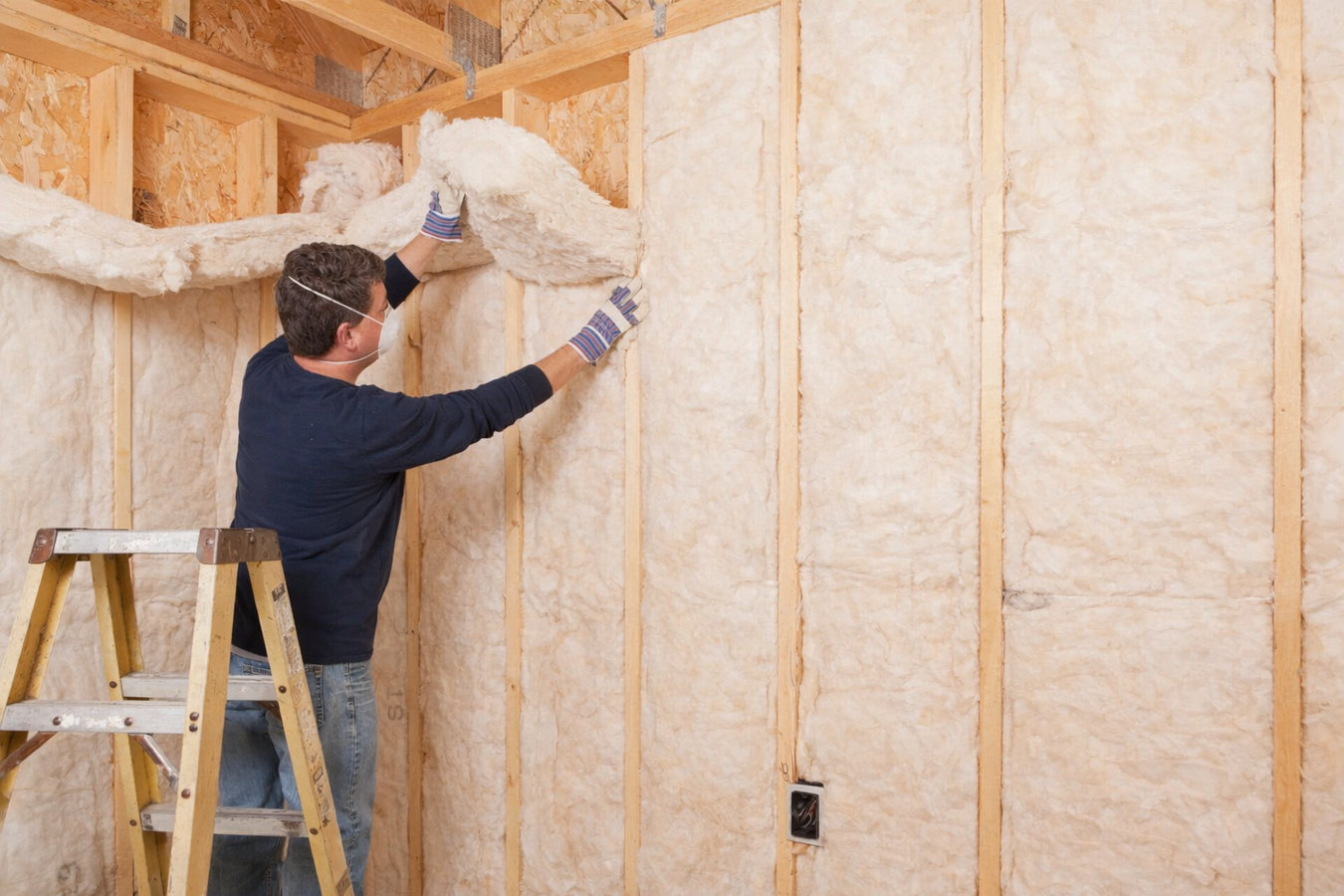
Most Waipahu homes have finished walls, which means the best approach is blown-in insulation - small holes are drilled, loose-fill material is pumped into the cavity, and then the holes are patched and painted. This method works around existing framing without opening up your walls. For homes undergoing renovation or where walls are already open, batt insulation is a practical and cost-effective alternative. Either way, we recommend pairing the work with air sealing services to close any gaps that insulation alone cannot address.
If your home needs insulation in multiple areas, wall work pairs naturally with blown-in insulation for attics or other accessible spaces. We assess your whole home so you get a complete picture of where heat is entering and how to address it most efficiently. Every job includes a moisture check before materials go in - this matters in Waipahu's humid climate, where trapping moisture inside walls can lead to mold over time.
Best for finished walls - no major demo required, just small patched holes when the job is done.
Ideal for open walls during renovations or new construction where cavities are accessible.
Suits any homeowner concerned about mold or dampness - we check before we install anything.
For homeowners who want to address both heat conduction and air infiltration in a single visit.
Waipahu sits on the Ewa Plain, an inland valley where afternoon heat is intense and ocean breezes offer little relief. Unlike coastal neighborhoods that catch consistent trade winds, homes here absorb heat from south- and west-facing walls throughout the afternoon. A large share of the housing stock was built between the 1940s and 1970s - during the plantation era and post-war expansion - when insulation standards were minimal or simply nonexistent. If you have never had an assessment done on an older home in Waipahu, there is a real chance your walls are contributing significantly to your cooling costs every month.
Waipahu's humidity also raises the stakes compared to mainland jobs. Walls that trap moisture instead of allowing it to move safely through can develop mold inside the cavity where you cannot see it. We serve homeowners throughout the area, including Halawa and Aiea, where the same older housing stock and inland heat conditions apply. For external guidance on Hawaii's energy requirements, the Hawaii State Energy Office publishes the building energy efficiency standards your contractor is required to meet.
We reply within one business day. When you reach out we ask a few quick questions - your home's age, whether any insulation work has been done before, and what is prompting your call. This helps us come prepared.
We walk your home, check your exterior walls, and look for signs of moisture or damage. The visit typically takes 30 to 60 minutes and there is no charge. You get a clear picture of what is inside your walls before any money changes hands.
After the assessment you receive a written quote broken down by area of the home and method recommended. We explain why we are recommending a particular approach - not just hand you a number.
On installation day, the crew drills small holes, injects insulation, patches and seals the holes, and cleans up before leaving. Most single-story homes are done in one day. We walk you through the completed work before we go.
Free in-home assessment. Written quote before any work begins. No pressure.
(808) 444-0629We understand how Waipahu's inland heat, humidity, and plantation-era housing stock affect wall performance. That means we choose methods and materials suited to your local conditions, not what works in a cold-weather state.
In Waipahu's humid climate, installing insulation over an existing moisture problem makes things worse. We inspect for moisture before any materials go in, and we will tell you plainly if there is an issue that needs to be resolved first.
We handle the permitting process with the City and County of Honolulu so you do not have to navigate that yourself. Permitted work protects you if you ever sell the home. See permit requirements at the Honolulu DPP.
You cannot see inside your walls once we patch them. We take photos of the completed cavities before closing them up so you have documentation of what was done and where. Good work should be verifiable, not just promised.
These are not talking points - they are the reasons Waipahu homeowners call us back and recommend us to their neighbors. We do the work right the first time so you do not have to think about it again.
Close the gaps that insulation alone cannot stop - reduce air infiltration and help your AC maintain a steady temperature.
Learn MoreExtend coverage to your attic or other cavities with the same low-disruption blown-in method used in finished walls.
Learn MoreWaipahu summers are long and hot - the sooner your walls are insulated, the sooner you start saving. Call or request a free estimate today.