Loading...
Serving Waipahu, HI and surrounding areas. (808) 444-0629
Waipahu Insulation is an insulation contractor serving Kapolei, HI, specializing in commercial insulation, spray foam, and blown-in insulation for the planned subdivisions and commercial spaces that make up Oahu's "second city." Kapolei's newer homes were built for a different era of energy codes, and after 20 to 35 years many are due for an honest look at what is still working. We have served west Oahu homeowners and businesses since 2017 and respond to new inquiries within 1 business day.
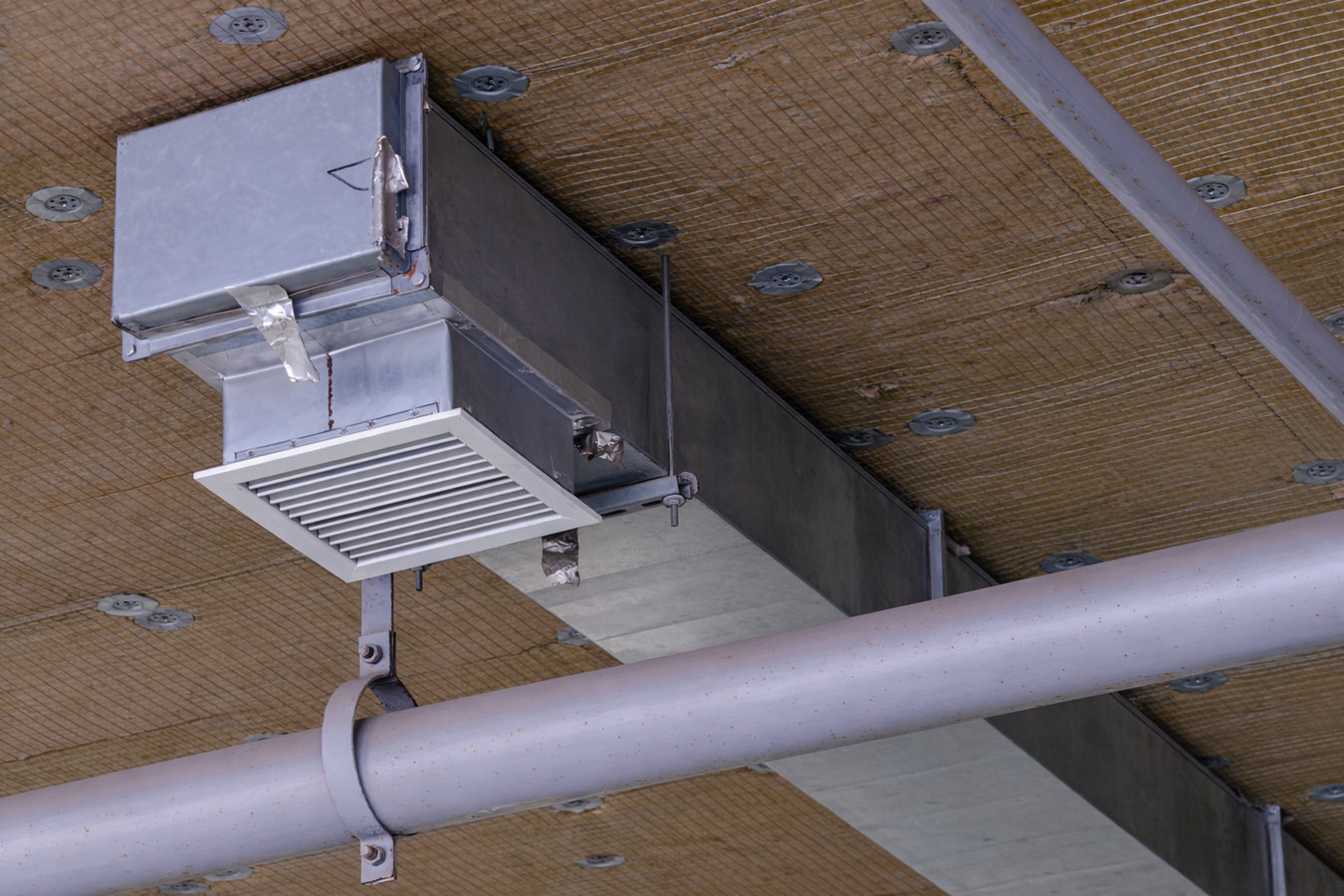
Kapolei has grown into a genuine commercial hub for West Oahu, with retail centers, office buildings, and light industrial spaces near Kapolei Commons and the town center. Many of these buildings were constructed in the 1990s and early 2000s when energy codes were less demanding, and they now pay for it every month in cooling costs. Our commercial insulation work addresses those gaps - reducing heat gain through roofs and walls so HVAC systems do not have to work overtime in Kapolei's intense west-side sun.
Kapolei homes built on former Oahu Sugar Company plantation land sit on clay-heavy volcanic soil that expands and contracts through the wet-dry cycle. Over 20 to 35 years, that ground movement works gaps open around pipe penetrations, foundation sills, and exterior wall interfaces. Closed-cell spray foam bonds to both CMU block and wood framing, sealing those gaps against the salt air and humidity that push in from three ocean-facing sides of this community.
The west-side sun that Kapolei gets more of than almost anywhere else on Oahu drives roof surface temperatures high enough to degrade attic insulation faster than the manufacturer estimates calculated for cooler climates. Homes in subdivisions like Mehana and Kapolei Knolls that were insulated when new are now at the age where the original material has often settled and compressed to a fraction of its rated thickness. Restoring attic insulation to effective depth is the fastest way to bring those homes back to the efficiency homeowners paid for at the time of purchase.
Kapolei subdivision homes typically have attic layouts with standard truss framing that is well-suited to blown-in insulation - no need to tear out drywall or open walls to bring coverage back to an effective level. A blown-in top-up is often the most cost-effective upgrade a Kapolei homeowner can make when original attic insulation has settled over two decades of west-side heat cycling.
Kapolei's proximity to the ocean on three sides means salt air and moisture are never far away, and they work through every gap they can find - around outlets, fixtures, and framing penetrations. Adding insulation without air sealing first leaves those pathways open, which is why AC runtime in unsealed homes often does not improve as much as homeowners expect after an insulation upgrade. Sealing first, then insulating, addresses the problem at its source.
Kapolei's flat lots with clay soil drain slowly after heavy rain, and moisture can work its way up through concrete slabs and foundation walls into crawl spaces and lower-level construction. A properly installed vapor barrier stops that moisture migration before it damages insulation, framing, and flooring - a step that matters especially in the low-lying neighborhoods on the flat plantation-land portions of Kapolei.
Kapolei was developed as a planned city on land that the Oahu Sugar Company farmed until 1995, and the bulk of its housing was built during a concentrated 20-year window from roughly 1990 to 2010. That recent construction history creates a false sense of security for homeowners. These are not old homes in the way that Honolulu or Aiea homes are old - but they are now 15 to 35 years into their lives, which is exactly the age when original attic insulation has typically settled, when caulk at penetrations has cracked through heat cycling, and when HVAC systems that were matched to a newly insulated envelope are now fighting harder against a degraded one. Hawaii's electricity rates are among the highest in the country, and the west-side sun that Kapolei receives more of than windward Oahu communities accelerates that degradation compared to what any mainland cost guide would predict.
Kapolei's position on the leeward coast - surrounded by ocean on three sides and exposed to intense UV and salt air year-round - creates insulation challenges that are different from inland Oahu communities. The clay-heavy volcanic soil that underlies most of the community expands when rain comes and shrinks when it dries, producing slow but steady ground movement that works gaps open around foundation sills and exterior penetrations over time. That same soil drains poorly, which means moisture lingers near slabs and lower walls after the heavy rain events that arrive during winter months from November through March. Taken together, these conditions mean that a Kapolei homeowner who last had insulation work done at the time of purchase - or never - is likely paying more in cooling costs than the home was designed to require.
Our crew works throughout Kapolei regularly, and we pull permits through the City and County of Honolulu Department of Planning and Permitting for jobs in this area that require them. Kapolei is part of Honolulu County, and all permits and inspections run through that office - the same one we use for jobs in Waipahu, Ewa Beach, and other nearby communities on this side of the island.
We know what Kapolei homes look like from the inside. Most were built with wood-frame construction and standard truss attics - which makes attic access and blown-in top-ups straightforward compared to the older CMU and concrete-slab construction we see in central Oahu. The newer commercial buildings along Farrington Highway and near Ko Olina have their own set of requirements, and we have worked on those as well. Kapolei Regional Park is a useful landmark for us - homes near the park tend to be in the Mehana and Kapolei Knolls subdivisions, built in the mid-to-late 2000s, and those are the neighborhoods where we most often find original insulation that has settled past the point of doing its job.
We also serve Ewa Beach to the east, where the housing stock and climate conditions are similar, and Ewa Gentry just inland - both communities we cover regularly on the same dispatch routes we run through Kapolei.
Reach us by phone or through the contact form. We respond to every new inquiry within 1 business day and will ask a few quick questions about your home or building - size, age, and what you have noticed - so we can show up prepared.
We visit your home or building, check the existing insulation, look for air leaks and moisture indicators, and give you a written estimate that explains what we found and what we recommend. No pressure, no surprises. This is also when we discuss whether a permit is needed and handle that process for you if it is.
Our crew arrives with equipment and materials and completes the work in the agreed areas. For most Kapolei single-family homes, the job is done in one day. You do not need to leave during an attic job. Commercial jobs involving spray foam will require clearing the treated space for a few hours while it cures.
Before we leave, we walk you through what was installed and where. You get documentation of the work - useful if you ever sell the home or apply for a utility rebate. If anything needs a follow-up inspection, we coordinate that on your behalf.
We serve all of Kapolei and respond within 1 business day. No pressure estimates, written pricing, and work done to code.
(808) 444-0629Kapolei is a planned city on the west side of Oahu, developed starting in the late 1980s on land that was once part of the Oahu Sugar Company's plantation. The state designated it as Oahu's "second city" to help take development pressure off Honolulu, and it has grown rapidly to a population of roughly 25,000 to 30,000 residents. The housing stock is dominated by single-family homes in planned subdivisions - Mehana, Kapolei Knolls, and others nearby - with townhomes and condos concentrated around the Kapolei Town Center. Most homes were built between 1990 and 2010, making them newer than the rest of Oahu's residential inventory but now old enough that original systems and finishes are showing their age. Home values are well above the national average, reflecting Hawaii's overall real estate market, and many residents are working families, military personnel from nearby installations, and professionals who commute toward Honolulu along the H-1 freeway. For more on the area, the Kapolei community overview on Wikipedia covers the history and development of the city in detail.
Kapolei sits on relatively flat land with clay-heavy soil, with some neighborhoods edging toward the Waianae foothills. The commercial heart of West Oahu - including Kapolei Commons shopping center and the town center - is here, along with Kapolei Regional Park, one of the largest public recreational spaces in West Oahu. The Ko Olina resort and marina community sits on Kapolei's coastline, adding a distinct mix of high-end residential and hospitality properties to the area's building stock. We cover communities all across this side of the island, including Ewa Beach to the east and Ewa Gentry just inland from Kapolei.
Seal gaps and improve energy efficiency with professional spray foam application.
Learn MoreProtect your home foundation with properly installed crawl space insulation.
Learn MoreEliminate drafts and energy loss with comprehensive air sealing treatments.
Learn MoreKeep your basement dry and comfortable with professional insulation installation.
Learn MoreHigh-density closed-cell foam for maximum moisture and air barrier performance.
Learn MoreFlexible open-cell foam insulation ideal for interior walls and ceilings.
Learn MoreLarge-scale insulation solutions tailored for commercial and industrial buildings.
Learn MoreBlock moisture intrusion beneath your home with a durable vapor barrier.
Learn MoreProfessional vapor barrier installation to control moisture and protect structures.
Learn MoreAdd insulation to existing structures without major renovation or disruption.
Learn MoreServing all of Kapolei and West Oahu - call us or submit a free estimate request and we will get back to you within 1 business day.