
Loading...
Serving Waipahu, HI and surrounding areas. (808) 444-0629
Waipahu Insulation serves Kaneohe, HI with spray foam insulation, attic insulation, and air sealing services built for windward Oahu. Kaneohe receives 60 to 70 inches of rain per year - and the postwar homes throughout the valley were never designed with that moisture in mind. We reply to new inquiries within 1 business day.
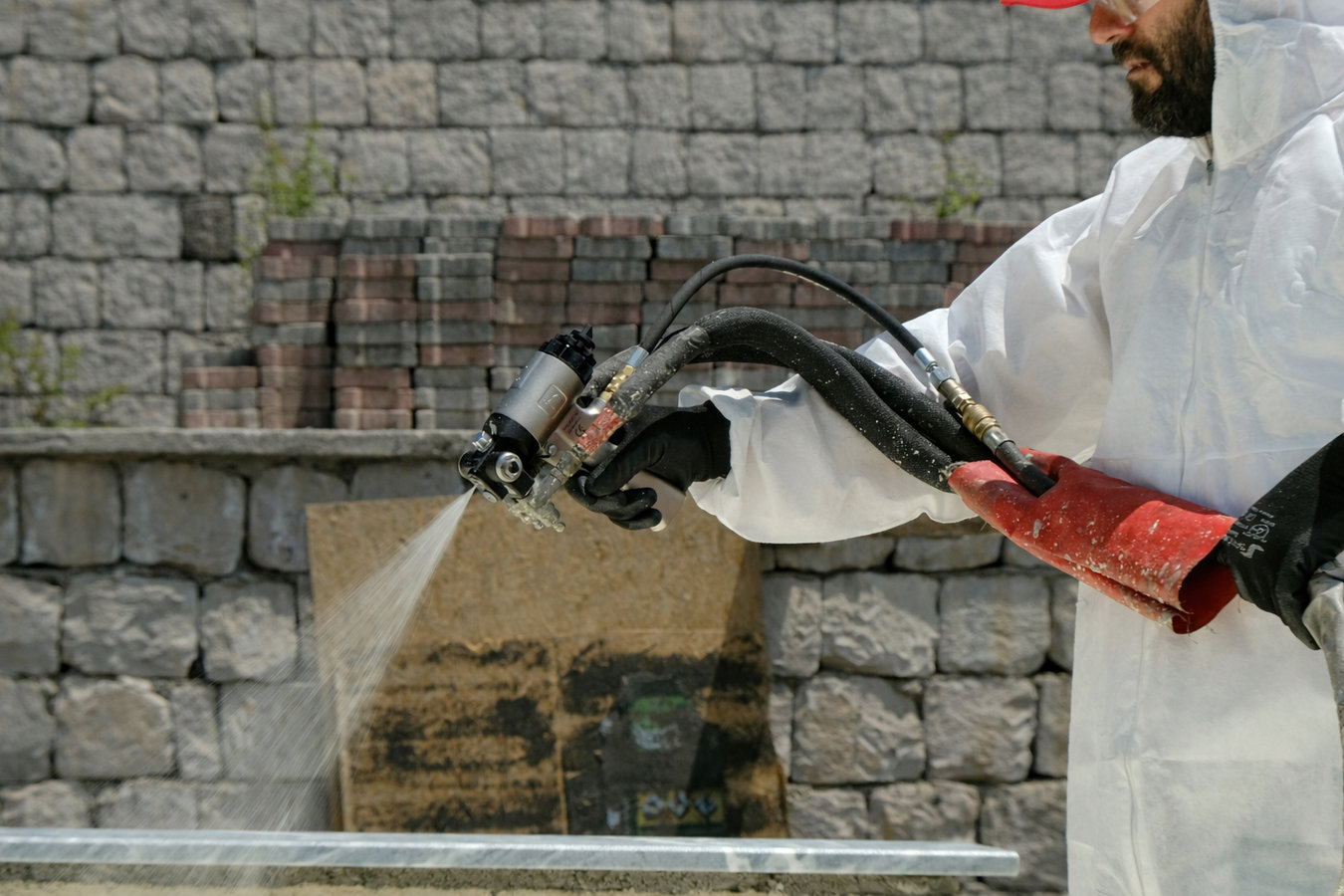
With 60 to 70 inches of annual rainfall and humidity that stays above 70 percent most of the year, Kaneohe is one of the most demanding moisture environments on Oahu for residential insulation. Closed-cell spray foam addresses both the thermal and moisture challenges in a single application - it adheres directly to roof sheathing, wall framing, or CMU block and seals gaps while delivering high R-value per inch. Our spray foam insulation services are a particularly strong fit for the hillside and valley homes in Kaneohe where moisture infiltration is a persistent, year-round pressure.
Kaneohe's homes were largely built in the postwar decades with flat or low-pitch roof styles that are common across windward Oahu but especially challenging in this amount of rainfall. Heat still accumulates in these attic spaces despite the cooler windward temperatures, and flat-roof homes have less natural air movement to dissipate it. Upgrading attic insulation reduces what radiates down into living spaces and makes AC units work significantly less to maintain comfort through the afternoon hours.
Kaneohe's heavy rainfall pushes moisture through any gap in a home's shell - around wiring penetrations, plumbing stacks, attic hatches, and the joints between framing and concrete block. Sealing those entry points before adding insulation is not optional here; in a high-moisture environment, insulation added over a leaky shell traps the moisture that gets through and holds it against structural elements where it causes long-term damage. Air sealing is the first step that makes everything else work.
Many Kaneohe homes on hillside lots have attics with irregular framing shaped by the sloped terrain, and blown-in material fills those configurations more thoroughly than rigid batts. For homes where moisture conditions are managed and ventilation is adequate, blown-in fiberglass is a cost-effective way to bring attic insulation up to current recommendations for Hawaii's climate zone - especially when the existing material is thin but not compromised by water damage.
In Kaneohe's rainfall environment, attic insulation installed 20 or 30 years ago in a home without adequate ventilation or air sealing can hold significant moisture. That saturated material does not just stop working - it creates conditions for mold growth that affects air quality in the living spaces below. Removing compromised insulation before any new installation is a required first step in these cases, not an optional upgrade, and it must be handled correctly to avoid spreading contaminants through the home.
Kaneohe's sloped hillside lots and high rainfall mean many homes have crawl spaces that experience significant ground moisture, especially after extended wet periods in the November-through-March rainy season. A crawl space vapor barrier installed at the ground surface prevents that moisture from migrating up through floor assemblies into insulation and structural framing - protecting the investment in any floor or attic insulation work above it while reducing the musty smell that often comes from chronically damp below-floor spaces.
Kaneohe is one of the rainiest communities on Oahu. Annual rainfall averages 60 to 70 inches in the valley, and homes closer to the Ko'olau Mountain foothills receive considerably more. This is not a seasonal challenge - rain falls year-round here, with the heaviest concentration from November through March. Most of Kaneohe's residential housing stock was built in the 1950s through 1970s, well before current moisture management standards and energy codes, and wood-frame construction that was common during that period is particularly vulnerable to the ongoing moisture pressure of the windward environment. A contractor who brings mainland insulation standards to Kaneohe without adjusting for that moisture load will underspecify the work in ways that cause problems within a few years.
Salt air from Kaneohe Bay adds another variable. Many neighborhoods sit close enough to the bay that salt-laden air reaches exterior surfaces regularly, accelerating corrosion on metal roofing components, window frames, and fasteners throughout the building envelope. Hillside lots with sloped terrain create drainage and ground moisture conditions that put additional pressure on crawl spaces and below-grade areas of the home. Flat and low-pitch roof styles widespread in mid-century Kaneohe homes require extra attention because pooling water and poor drainage are more common than on steeper-pitch roofs. None of these factors are unusual for a windward Oahu contractor - but they are invisible to someone working from a mainland perspective.
Our crew works throughout Kaneohe regularly and understands the insulation conditions specific to this windward valley. We pull permits through the City and County of Honolulu Department of Planning and Permitting for jobs that require them. Kaneohe is an unincorporated community within Honolulu County, so there is no separate local office to navigate - the same permitting process that applies across Oahu applies here.
The community stretches along Kaneohe Bay from the flat valley floor up into the Ko'olau foothills. Kamehameha Highway runs through the center of town and is the main corridor most residents use to orient themselves. The Ho'omaluhia Botanical Garden sits at the base of the Ko'olau Mountains and is a landmark most Kaneohe residents know well. Homes up in the hillside neighborhoods above the valley floor deal with heavier rainfall and steeper drainage challenges than homes on the flat portions near the bay. Marine Corps Base Hawaii on the Mokapu Peninsula brings a significant population of military families to the surrounding area, and off-base housing in Kaneohe includes both older residential stock and more recently built homes - we work across both types regularly. We also serve Kailua just to the south, where the rainfall is somewhat lighter but many of the same windward insulation challenges apply.
Call or submit a request online and describe what you have been noticing - hot rooms, high bills, musty smells, or moisture concerns. We reply within 1 business day and schedule a visit around your availability.
We inspect your attic and, where applicable, crawl space - checking existing insulation, moisture conditions, ventilation, and any signs of water intrusion. The visit takes 30 to 60 minutes and results in a written estimate that covers what we found, what is recommended, and the full cost. Permit requirements are identified at this step.
Most combined insulation and air sealing jobs in Kaneohe take one to two days. Spray foam requires you to be out of the home for 24 hours after application. Blown-in and batt work does not require you to leave. The crew works primarily in the attic and crawl space with minimal disruption to living areas.
Before leaving, the crew reviews completed work with you and provides photos or depth measurements from the attic. If a permit was pulled, we coordinate the inspection. You keep all documentation for your records - including warranty paperwork useful at resale.
We serve Kaneohe with no-pressure estimates and insulation methods built for windward Oahu's real moisture load - not mainland assumptions.
(808) 444-0629Kaneohe is an unincorporated community in Honolulu County with a population of around 34,000 to 35,000 people. It sits on the windward side of Oahu, backed by the Ko'olau Mountains and bordered by Kaneohe Bay - the largest sheltered bay in Hawaii. Most of the residential housing was built in the postwar decades from the 1950s through the 1970s, with a mix of wood-frame and concrete block construction on both flat valley-floor lots and sloped hillside parcels. The community draws a mix of long-term local residents, professionals commuting to Honolulu, and military families connected to Marine Corps Base Hawaii on the nearby Mokapu Peninsula.
Neighborhoods range from flat residential streets near Kamehameha Highway and the bay to hillside communities with significant elevation above the valley. The Ko'olau Mountains form a dramatic backdrop and are the reason Kaneohe receives far more rain than leeward Oahu - trade winds push moisture up the mountain face and drop it directly over the town. Neighboring Kailua sits just to the south along the windward coast, receiving somewhat less rain but sharing many of the same building and insulation challenges. The ongoing combination of high rainfall, salt air from the bay, and aging housing stock makes proactive insulation and moisture management a practical necessity for Kaneohe homeowners - not an optional upgrade.
Seal gaps and improve energy efficiency with professional spray foam application.
Learn MoreProtect your home foundation with properly installed crawl space insulation.
Learn MoreEliminate drafts and energy loss with comprehensive air sealing treatments.
Learn MoreKeep your basement dry and comfortable with professional insulation installation.
Learn MoreHigh-density closed-cell foam for maximum moisture and air barrier performance.
Learn MoreFlexible open-cell foam insulation ideal for interior walls and ceilings.
Learn MoreLarge-scale insulation solutions tailored for commercial and industrial buildings.
Learn MoreBlock moisture intrusion beneath your home with a durable vapor barrier.
Learn MoreProfessional vapor barrier installation to control moisture and protect structures.
Learn MoreAdd insulation to existing structures without major renovation or disruption.
Learn MoreCall us or submit a request online and we will get back to you within 1 business day to schedule a free in-home estimate.