
Loading...
Serving Waipahu, HI and surrounding areas. (808) 444-0629
Waipahu Insulation serves Mililani Town, HI, providing blown-in insulation, attic insulation, and spray foam insulation for the planned community homes throughout this central Oahu neighborhood. Most homes in Mililani Town were built between the late 1960s and early 1990s - old enough that original insulation is often well below current performance standards. We respond to new inquiries within 1 business day.
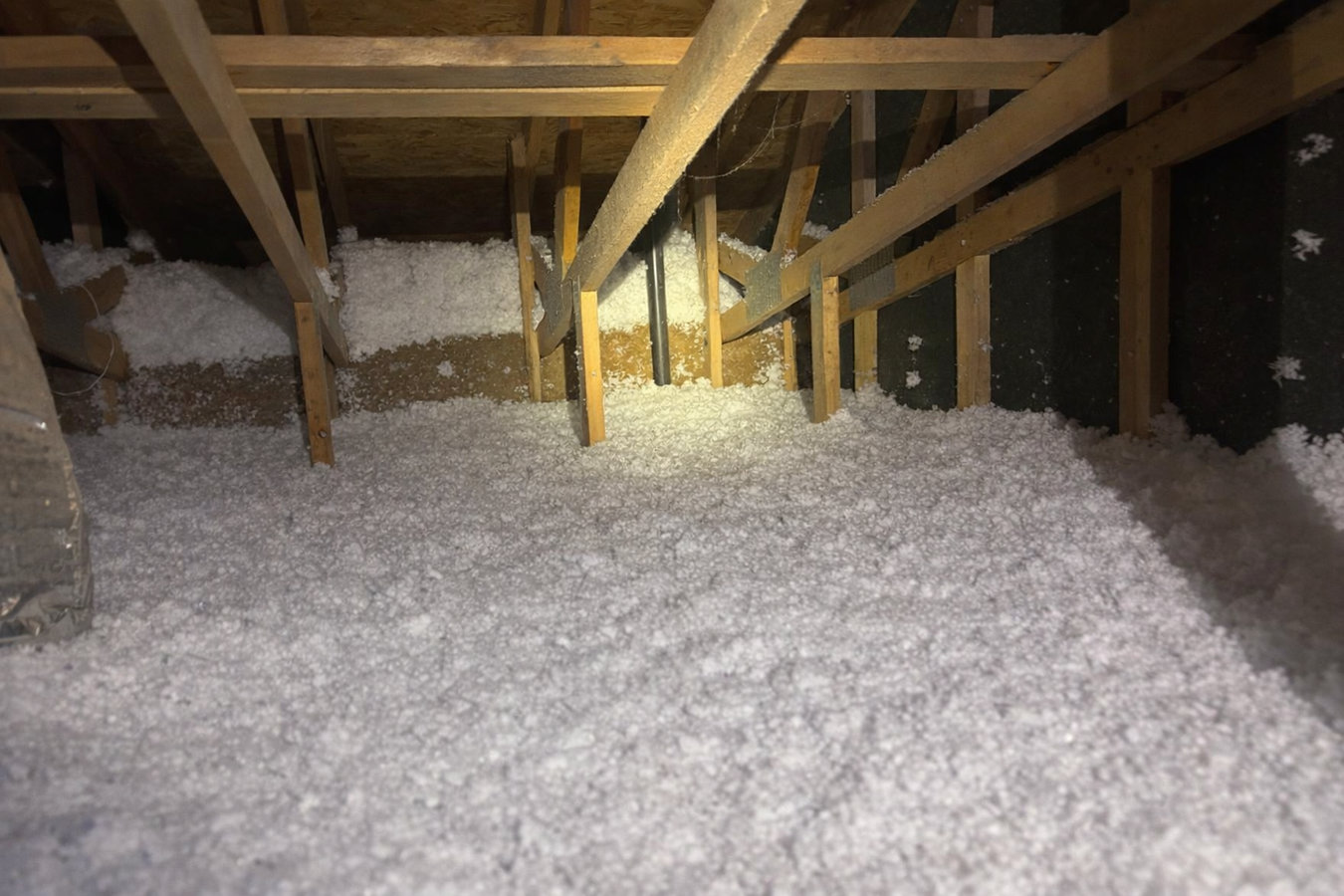
Mililani Town homes built in the 1970s and 1980s often have attics with older framing configurations and thin or compressed original insulation that has never been updated. Adding blown-in insulation on top of existing material is one of the most efficient upgrades for these homes - the material fills around obstacles and reaches corners that rigid batts cannot cover, without requiring a complete tear-out of what is already there.
Mililani Town sits about 1,000 feet above sea level on the Leilehua Plateau, and while the elevation keeps temperatures a few degrees cooler than the coast, the sun here is intense year-round. Low-pitched roofs across the neighborhood absorb UV all day and radiate heat through ceilings - attic insulation upgrades remain the single most impactful improvement most Mililani Town homeowners can make to their cooling costs.
Central Oahu trade winds carry salt and moisture inland from both coasts, and Mililani Town homes feel that over time in the form of corrosion on metal components and moisture pressure on wall assemblies. Closed-cell spray foam addresses both concerns at once - it provides a high R-value per inch while sealing wall cavities against the moisture that trade winds push through even well-maintained exteriors.
Homes built in the 1970s and 1980s in Mililani Town typically have more air leakage points than newer construction - gaps around recessed lights, attic hatches, plumbing penetrations, and older window frames that have shifted over decades. Sealing those points before or alongside a new insulation layer is what produces a measurable reduction in cooling costs rather than just adding insulation thickness over a leaky shell.
Mililani Town attics from the 1970s and 1980s may contain original insulation that has absorbed moisture, settled significantly, or been damaged by pests over the years. Installing new material on top of degraded insulation reduces the effectiveness of the entire assembly. When old material is compromised, removing it cleanly first gives the new layer the best possible starting condition.
The red laterite clay soil on the Leilehua Plateau drains slowly, and water pools around foundations after Mililani's winter rains. For homes on concrete slabs, that pooling moisture can migrate up through the slab over time into lower-wall sections and floor assemblies. A vapor barrier at the slab level is a practical defense against that moisture migration, especially in areas of the home that sit lowest to the ground.
Mililani Town was developed in phases starting in 1968, which means most of the housing stock is now between 30 and 55 years old. Homes from that era were built to the insulation standards of the time - standards that were well below what Hawaii requires today and well below what makes sense in a climate with year-round heat and genuine humidity. Many Mililani Town homeowners have lived in their homes for decades without ever having insulation work done, and the original material - where it exists - has often settled, compressed, or been partially degraded by moisture over the years. The red laterite clay soil on the Leilehua Plateau drains poorly, which means homes here also deal with more ground moisture than homeowners might expect - a condition that can push moisture up into slab assemblies and affect the performance of anything installed at floor level.
Mililani Town sits at roughly 1,000 feet elevation in central Oahu between the Waianae and Koolau mountain ranges, a position that puts it squarely in the path of trade winds from both coasts. Those winds carry salt and moisture inland year-round, which accelerates corrosion on metal roofing components, HVAC equipment, and fasteners, and puts ongoing moisture pressure on wall assemblies. The community also receives more rainfall than the dry leeward coast, particularly in winter months - heavy rain on clay soil means standing water around foundations is a recurring reality. A contractor who has only worked in coastal communities or on the mainland will approach Mililani Town with the wrong set of assumptions about moisture, ventilation, and product selection. The combination of an aging housing stock, active moisture conditions, and the high cost of Hawaii electricity makes doing this work right the first time more important than in most places.
Our crew works throughout Mililani Town regularly, and we pull permits through the City and County of Honolulu Department of Planning and Permitting for jobs in this area that require them. Mililani Town is an unincorporated community in Honolulu County, so all permits and inspections run through that office - the same process as anywhere else on Oahu.
The community is divided into distinct neighborhood sections, each organized around one of the Mililani Town Association recreation centers. That layout means we see a genuine variety of home ages and conditions as we move across the community - neighborhoods near the original development phases tend to have older homes with more accumulated deferred maintenance, while sections built closer to the 1990s present a different set of insulation needs. The H-2 freeway runs through the middle of the Mililani area and is how most residents get to Honolulu, and we know the neighborhood layout well enough to plan our routes efficiently across the community.
We also serve Mililani Mauka, the newer section developed above the H-2 freeway in the 1990s and 2000s, and Aiea further south toward Pearl Harbor - the same crew covers all three areas, so if you have neighbors in either community who need insulation work, we are the team to call.
Call or use our contact form and we will get back to you within 1 business day. We ask a few basic questions about your home - its age, current cooling situation, and what has been bothering you - so the site visit is focused on the areas that matter most to you.
We come to your Mililani Town home and inspect the attic - measuring existing insulation depth, checking ventilation, and looking for air leakage and moisture issues. This visit is free and takes 30 to 60 minutes. We explain what we find in plain terms before recommending anything, including what may not need to be done.
After the assessment you receive a written estimate that spells out the scope of work, the type of material, and the total cost. If a permit is required we note that and handle the paperwork. Nothing moves forward until you have reviewed the estimate and decided it makes sense.
On installation day the crew arrives on schedule and completes the work - most attic jobs in Mililani Town are done in a single day. You can stay home throughout. Before we leave we walk you through the completed work so you can confirm what was done and ask any final questions.
We serve all of Mililani Town - every neighborhood section, from the original development phases to the newest streets. Responses within 1 business day.
(808) 444-0629Mililani Town was developed by Castle and Cooke starting in 1968 as one of Hawaii's first large master-planned communities. It sits on the Leilehua Plateau in central Oahu at roughly 1,000 feet elevation, about 20 miles north of downtown Honolulu. With a population of around 27,000 to 28,000 residents, it is one of the largest communities on the island outside of Honolulu proper. The housing stock reflects its phased development - most homes are single-family detached houses and attached townhomes built between the late 1960s and the early 1990s, now 30 to 55 years old. The community is organized around nine recreation centers managed by the Mililani Town Association, which gives each neighborhood section its own community hub and contributes to the strong owner-occupancy culture here. More on the community's history is available through the Mililani Town Wikipedia article.
Most Mililani Town residents commute to Honolulu or to the military installations in central and south Oahu, using the H-2 freeway as the main artery. The community is split from Mililani Mauka by the H-2 - the Mauka section was developed later in the 1990s and 2000s on the uphill side of the freeway, and residents clearly distinguish between the two. The soil throughout the plateau is the reddish laterite clay common to central Oahu, which is different from the sandy coastal soils found near beach communities and creates its own drainage and moisture management considerations for homeowners. Nearby Aiea is accessible via the H-2 heading south toward Pearl Harbor, and our crew serves both communities.
Seal gaps and improve energy efficiency with professional spray foam application.
Learn MoreProtect your home foundation with properly installed crawl space insulation.
Learn MoreEliminate drafts and energy loss with comprehensive air sealing treatments.
Learn MoreKeep your basement dry and comfortable with professional insulation installation.
Learn MoreHigh-density closed-cell foam for maximum moisture and air barrier performance.
Learn MoreFlexible open-cell foam insulation ideal for interior walls and ceilings.
Learn MoreLarge-scale insulation solutions tailored for commercial and industrial buildings.
Learn MoreBlock moisture intrusion beneath your home with a durable vapor barrier.
Learn MoreProfessional vapor barrier installation to control moisture and protect structures.
Learn MoreAdd insulation to existing structures without major renovation or disruption.
Learn MoreCall us or submit a request online - we cover all of Mililani Town and respond within 1 business day.