Loading...
Serving Waipahu, HI and surrounding areas. (808) 444-0629
Waipahu Insulation serves Waimalu, HI, providing air sealing services, attic insulation, and spray foam insulation for the postwar and mid-century homes throughout this Pearl Harbor area neighborhood. Most homes here were built in the 1950s to 1970s - at 50 to 70 years old, original insulation is long past its effective life. We respond to new inquiries within 1 business day.
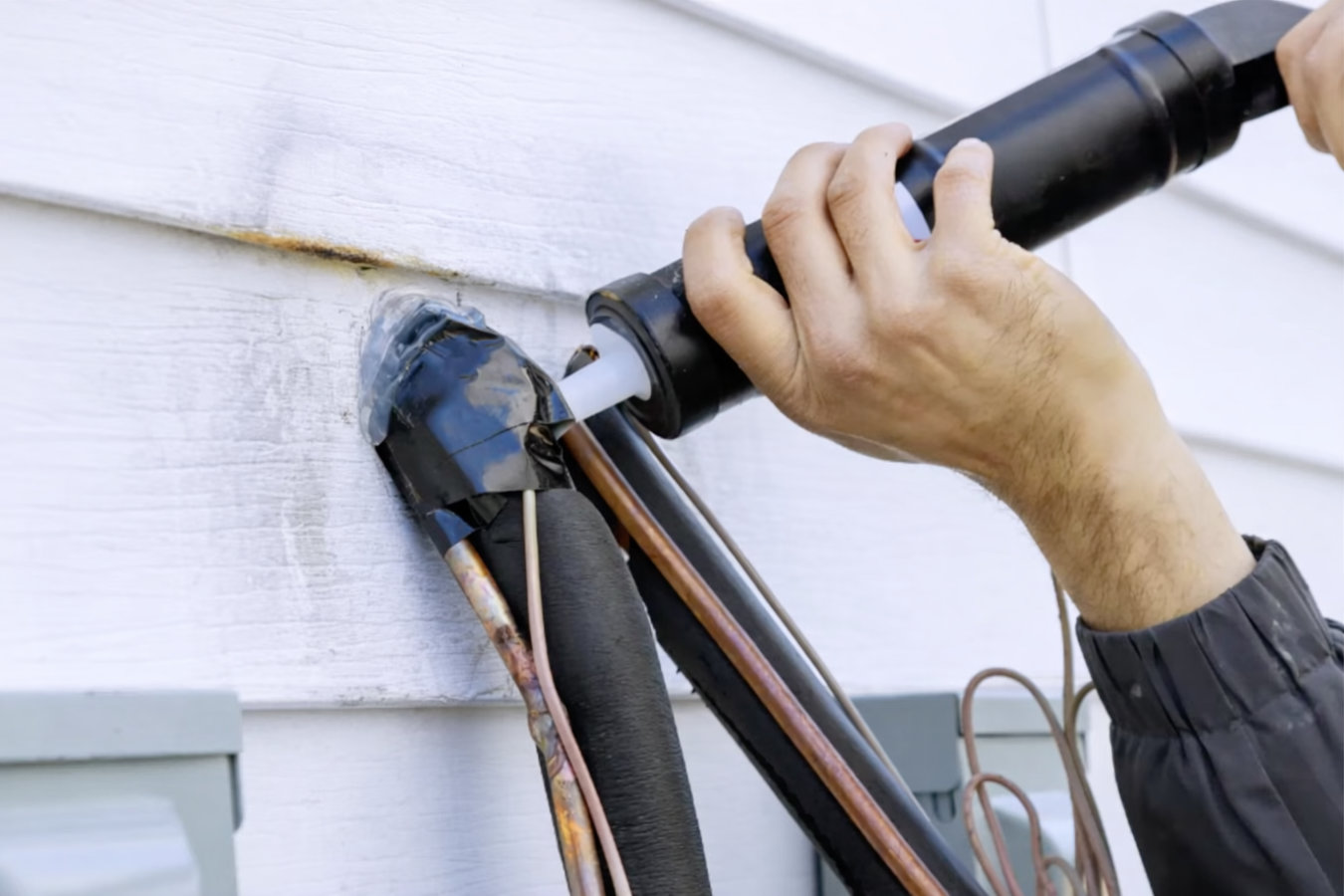
Waimalu homes built in the 1950s and 1960s were constructed with methods that left gaps around framing, pipes, and wiring that were never intended to be airtight - and decades of settling have opened more. Salt air from Pearl Harbor cycling through those gaps year-round corrodes metal components and pushes moisture into wall assemblies from the inside. Our air sealing services address those entry points directly, which also happens to reduce how hard the AC has to work to keep the home cool.
Many Waimalu homes were built when air conditioning was not standard in Hawaii, and attic insulation was simply not installed. At 50 to 70 years of age, these homes absorb daytime heat through the roof and radiate it into living spaces through ceilings that have little or nothing slowing that transfer. Attic insulation upgrades are typically the highest-impact improvement a Waimalu homeowner can make to cooling costs and day-to-day comfort.
Waimalu sits at a low elevation on the leeward slopes where heat and humidity stay high year-round, and the sloped lots common throughout the neighborhood mean some home areas are more exposed to ground moisture than others. Closed-cell spray foam is well matched to this environment because it provides a strong R-value per inch while also acting as a vapor barrier in areas where moisture pressure from both above and below is a real concern.
Older concrete block and wood-frame homes in Waimalu often have attics with irregular framing configurations that make batt insulation a poor fit. Blown-in material fills around those configurations without leaving thin spots at edges and corners, and it can be added on top of existing degraded material in cases where the old layer is compressed but not contaminated. It is a practical first upgrade for homeowners dealing with a 1950s or 1960s home that has never had meaningful insulation work.
In Waimalu, where heavy rainfall from the Koolau Mountains above the neighborhood can lead to wet crawl spaces and attic moisture, old insulation that has absorbed water over the years stops performing and can become a source of ongoing moisture and mold problems. Removing compromised material first - rather than layering over it - gives any new insulation the clean, dry starting condition it needs to perform the way it was designed to.
Waimalu lots are commonly on sloped terrain above Pearl Harbor, and that grade means some homes have crawl spaces or raised foundations where ground moisture is an ongoing condition rather than an occasional problem. A vapor barrier installed at the crawl space floor keeps ground moisture from migrating up into floor assemblies and reducing the effectiveness of any insulation installed above it - a practical and durable fix for homes where the ground below is consistently damp.
Most homes in Waimalu were built between the 1950s and 1970s, during the rapid residential growth that followed World War II and Hawaii statehood. That means the typical home here is 50 to 70 years old, and the original construction reflected the standards of an era when air conditioning was not common and attic insulation was simply not standard practice in Hawaii. At that age, any insulation that was originally installed has had decades to settle, compress, absorb moisture, or be partially displaced by pest activity. Homeowners in this neighborhood who have never had insulation work done are, in many cases, operating on a system that is performing at a fraction of what it should. The combination of Hawaii's high electricity rates and an underperforming envelope means the financial gap is significant - and grows larger every month.
Waimalu's position on the lower slopes above Pearl Harbor adds factors that contractors from outside the area may not fully account for. Salt air from the harbor area moves through the neighborhood regularly, accelerating corrosion on metal components and cycling through any unsealed gaps in the home's shell. The Koolau Mountains directly behind Waimalu catch substantial rainfall, and that water flows down through the slopes - flash flooding is a recognized hazard in this part of Central Oahu, and even homes that do not flood directly can experience wet crawl spaces and moisture intrusion around foundations after heavy rain. Sloped lots are common throughout the neighborhood, which creates drainage and moisture management conditions that are different from flat coastal lots. A contractor who treats Waimalu like any other Oahu neighborhood will miss these details.
Our crew works throughout Waimalu regularly, and we understand the local conditions that affect insulation work here. We pull permits through the City and County of Honolulu Department of Planning and Permitting for jobs that require them. Waimalu is an unincorporated community within Honolulu County, so the permitting process is the same as elsewhere on Oahu - no separate local office to navigate.
The neighborhood sits just off the H-1 freeway between Pearl City and Aiea, and most of the residential streets run up the slope from that corridor toward the Koolau foothills. Pearlridge Center marks the lower edge of the community and is a practical landmark that most residents use for orientation. Homes here are a mix of concrete masonry block and wood-frame construction - both types common in postwar Hawaii - and our crews are familiar with the different fastening, sealing, and access requirements each presents. The Keaiwa Heiau State Recreation Area and the Aiea Loop Trail are just above the neighborhood, a reminder of how close this community sits to the Koolau slopes that drive the rainfall patterns our crew accounts for on every job.
We also serve Aiea, directly adjacent to the north, where similar postwar housing stock creates comparable insulation conditions, and Pearl City, just to the west, where the housing mix ranges from mid-century to more recent construction.
We respond to all new inquiries within 1 business day. The initial conversation covers your home address, how old it is, and what has prompted your call - high bills, rooms that never cool down, or something you noticed in the attic. No commitment required at this stage.
A crew member visits your Waimalu home and inspects the attic, crawl space if accessible, and any areas of concern. We look at what insulation is present, how it has aged, whether moisture has been a factor, and where air is leaking in or out. The written estimate you receive includes an explanation of what we found and what we recommend - including whether a permit applies to your job.
Most air sealing and attic insulation jobs in Waimalu take one to two days depending on scope. The crew handles all equipment and materials. You do not need to leave your home - work is contained to attic and crawl space access areas. For spray foam applications requiring ventilation time, we will let you know in advance what to expect.
When work is complete, we walk you through what was done - with photos of the finished attic or treated areas - and provide written documentation of what was installed. Keep this paperwork: it supports Hawaii Energy rebate applications and is useful documentation for a future home sale.
We serve Waimalu and the surrounding Pearl Harbor area communities. Call or fill out the form and we will reply within 1 business day.
(808) 444-0629Waimalu is a compact, densely settled community in Honolulu County tucked between Pearl City and Aiea on the slopes above Pearl Harbor. With around 8,700 residents, it is a well-established neighborhood where long-term ownership is the norm - the kind of place where people have lived in the same home for decades and know their neighbors. The housing stock is dominated by single-family detached homes built in the postwar era, from the 1950s through the 1970s, with some older rental units and small multi-family properties scattered through the area. Concrete masonry block and wood-frame construction are both common, reflecting the building materials and techniques that defined Hawaii residential construction during that period. Lots are often on a grade rather than flat, as the neighborhood rises toward the Koolau foothills. Median home values well above $600,000 reflect the strong owner investment in this community.
Pearlridge Center - one of the largest shopping malls in Hawaii - sits at the lower edge of the neighborhood and is a reference point that nearly every Waimalu resident knows well. The Pearl Harbor National Memorial is just to the south, the most recognized landmark in this part of Oahu. The H-1 freeway runs along the lower edge of the community, connecting Waimalu easily to both Honolulu and the rest of Central Oahu. We serve the surrounding communities as well, including Halawa, just to the east where similar mid-century housing stock presents comparable insulation challenges.
Seal gaps and improve energy efficiency with professional spray foam application.
Learn MoreProtect your home foundation with properly installed crawl space insulation.
Learn MoreEliminate drafts and energy loss with comprehensive air sealing treatments.
Learn MoreKeep your basement dry and comfortable with professional insulation installation.
Learn MoreHigh-density closed-cell foam for maximum moisture and air barrier performance.
Learn MoreFlexible open-cell foam insulation ideal for interior walls and ceilings.
Learn MoreLarge-scale insulation solutions tailored for commercial and industrial buildings.
Learn MoreBlock moisture intrusion beneath your home with a durable vapor barrier.
Learn MoreProfessional vapor barrier installation to control moisture and protect structures.
Learn MoreAdd insulation to existing structures without major renovation or disruption.
Learn MoreCall us today or fill out the contact form. We respond within 1 business day and serve the entire Waimalu community and surrounding Pearl Harbor area.